How to Verify a Car's Accident History Before Purchase: A Complete Guide for Smart Car Buyers in the UAE
2026-06-25
Admin
100 views
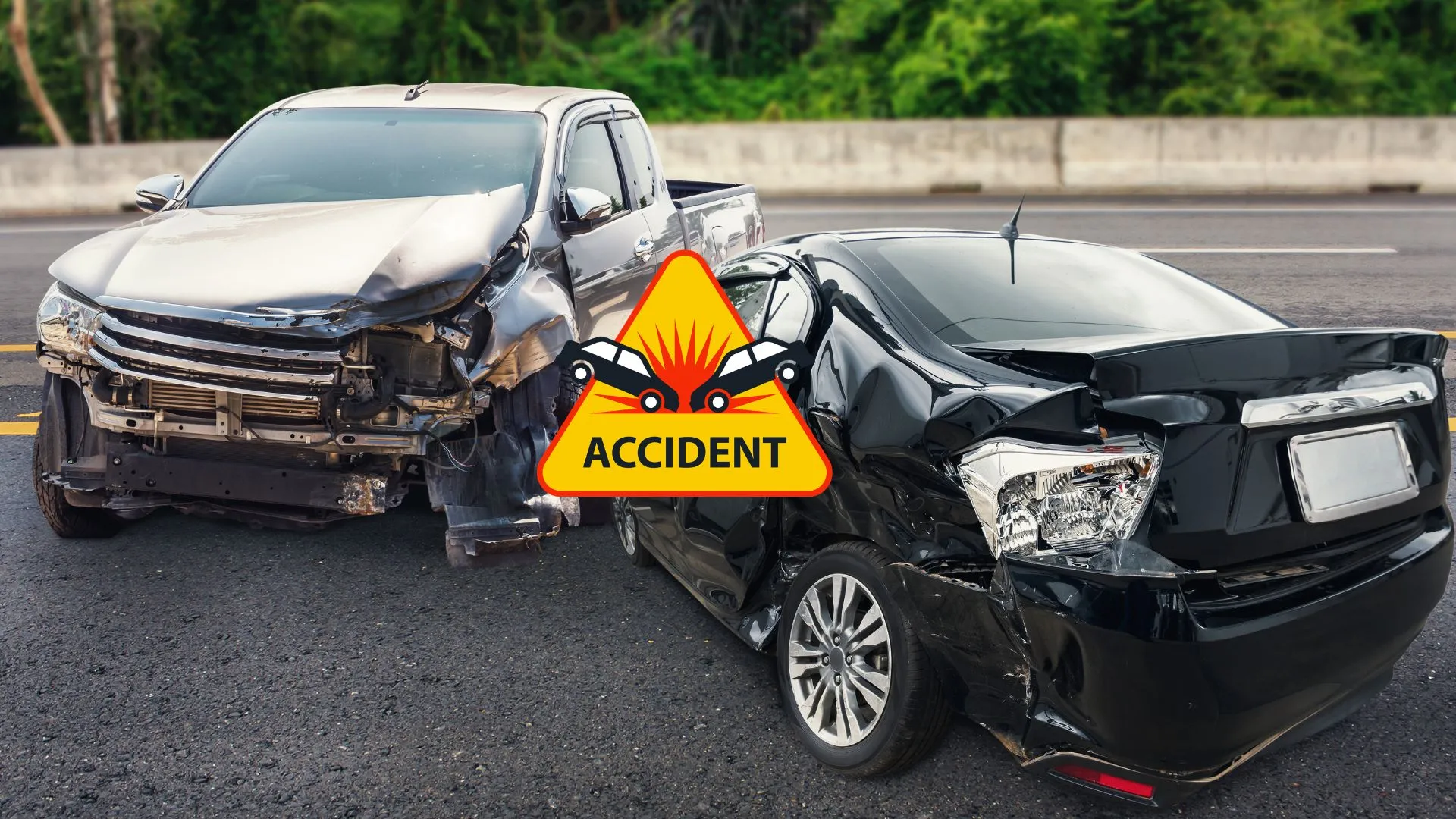
Buying a used car can be a great way to save money, but it also comes with risks. One of the biggest concerns for any buyer is whether the vehicle has been involved in an accident. While some sellers are honest about a car's history, others may not disclose previous damage or repairs. That's why learning how to verify a car's accident history before purchase is essential for making a safe and informed decision.
A vehicle that has suffered significant accident damage may have hidden mechanical issues, reduced safety standards, and lower resale value. Taking the time to investigate a car's history can save you from expensive repairs and future headaches.
Why Checking Accident History Is Important
Accidents can affect much more than a vehicle's appearance. Even if a car looks perfectly repaired, structural damage may still exist beneath the surface. Serious collisions can impact the frame, suspension, airbags, and other critical safety systems.
By verifying accident history, you can:
Avoid purchasing unsafe vehicles
Identify potential repair issues
Negotiate a fair price
Protect your investment
Improve long-term reliability
Start with the Vehicle Identification Number (VIN)
The Vehicle Identification Number (VIN) is the most important piece of information when researching a car's history. This unique 17-character code acts as the vehicle's fingerprint and can reveal valuable details about ownership records, accident reports, and service history.
Before purchasing any used vehicle, ask the seller for the VIN and verify that it matches the number displayed on the vehicle and registration documents.
Request Official Vehicle History Reports
A professional vehicle history report can provide information about:
Reported accidents
Previous ownership records
Insurance claims
Flood damage
Mileage records
Title status
These reports help buyers identify warning signs that may not be visible during a physical inspection.
Inspect the Vehicle Carefully
Even if history reports appear clean, a thorough visual inspection is still necessary.
Look for signs such as:
Uneven Paintwork
Differences in paint color, texture, or shine may indicate body repairs after an accident.
Misaligned Panels
Check gaps between doors, hood, trunk, and fenders. Uneven spacing can suggest previous collision repairs.
Welding Marks
Excessive welding or repairs around the frame may indicate structural damage.
New Parts on an Older Vehicle
Recently replaced headlights, bumpers, or body panels could be signs of previous accident repairs.
Check for Airbag Deployment
Airbags are designed to deploy during serious accidents. Ask whether airbags have ever been activated and replaced.
Warning signs include:
Airbag warning lights on the dashboard
Poorly fitted dashboard components
Uneven steering wheel or interior trim
Improper airbag repairs can create serious safety risks.
Review Maintenance and Service Records
Well-maintained vehicles usually have detailed service records. These documents can help identify major repairs and accident-related work completed in the past.
Consistent maintenance records also indicate that the owner cared for the vehicle properly.
Get a Professional Pre-Purchase Inspection
One of the smartest investments a buyer can make is hiring a qualified mechanic for a pre-purchase inspection.
Professional inspectors can detect:
Hidden frame damage
Suspension problems
Engine issues
Flood damage
Poor-quality repairs
A comprehensive inspection often costs far less than the repairs you could face after purchasing a problematic vehicle.
Watch for Red Flags
Be cautious if the seller:
Refuses to provide the VIN
Avoids questions about accidents
Lacks maintenance records
Pressures you into a quick purchase
Offers a price significantly below market value
These warning signs may indicate undisclosed issues.
Final Thoughts
Verifying a car's accident history before purchase is one of the most important steps when buying a used vehicle in the UAE. By checking the VIN, reviewing vehicle history reports, inspecting the car carefully, and arranging a professional inspection, you can greatly reduce the risk of purchasing a vehicle with hidden damage.
A little research today can save you thousands of dirhams tomorrow. Always take the time to verify a vehicle's history and ensure you're making a safe, informed investment that will serve you well for years to come.
A vehicle that has suffered significant accident damage may have hidden mechanical issues, reduced safety standards, and lower resale value. Taking the time to investigate a car's history can save you from expensive repairs and future headaches.
Why Checking Accident History Is Important
Accidents can affect much more than a vehicle's appearance. Even if a car looks perfectly repaired, structural damage may still exist beneath the surface. Serious collisions can impact the frame, suspension, airbags, and other critical safety systems.
By verifying accident history, you can:
Avoid purchasing unsafe vehicles
Identify potential repair issues
Negotiate a fair price
Protect your investment
Improve long-term reliability
Start with the Vehicle Identification Number (VIN)
The Vehicle Identification Number (VIN) is the most important piece of information when researching a car's history. This unique 17-character code acts as the vehicle's fingerprint and can reveal valuable details about ownership records, accident reports, and service history.
Before purchasing any used vehicle, ask the seller for the VIN and verify that it matches the number displayed on the vehicle and registration documents.
Request Official Vehicle History Reports
A professional vehicle history report can provide information about:
Reported accidents
Previous ownership records
Insurance claims
Flood damage
Mileage records
Title status
These reports help buyers identify warning signs that may not be visible during a physical inspection.
Inspect the Vehicle Carefully
Even if history reports appear clean, a thorough visual inspection is still necessary.
Look for signs such as:
Uneven Paintwork
Differences in paint color, texture, or shine may indicate body repairs after an accident.
Misaligned Panels
Check gaps between doors, hood, trunk, and fenders. Uneven spacing can suggest previous collision repairs.
Welding Marks
Excessive welding or repairs around the frame may indicate structural damage.
New Parts on an Older Vehicle
Recently replaced headlights, bumpers, or body panels could be signs of previous accident repairs.
Check for Airbag Deployment
Airbags are designed to deploy during serious accidents. Ask whether airbags have ever been activated and replaced.
Warning signs include:
Airbag warning lights on the dashboard
Poorly fitted dashboard components
Uneven steering wheel or interior trim
Improper airbag repairs can create serious safety risks.
Review Maintenance and Service Records
Well-maintained vehicles usually have detailed service records. These documents can help identify major repairs and accident-related work completed in the past.
Consistent maintenance records also indicate that the owner cared for the vehicle properly.
Get a Professional Pre-Purchase Inspection
One of the smartest investments a buyer can make is hiring a qualified mechanic for a pre-purchase inspection.
Professional inspectors can detect:
Hidden frame damage
Suspension problems
Engine issues
Flood damage
Poor-quality repairs
A comprehensive inspection often costs far less than the repairs you could face after purchasing a problematic vehicle.
Watch for Red Flags
Be cautious if the seller:
Refuses to provide the VIN
Avoids questions about accidents
Lacks maintenance records
Pressures you into a quick purchase
Offers a price significantly below market value
These warning signs may indicate undisclosed issues.
Final Thoughts
Verifying a car's accident history before purchase is one of the most important steps when buying a used vehicle in the UAE. By checking the VIN, reviewing vehicle history reports, inspecting the car carefully, and arranging a professional inspection, you can greatly reduce the risk of purchasing a vehicle with hidden damage.
A little research today can save you thousands of dirhams tomorrow. Always take the time to verify a vehicle's history and ensure you're making a safe, informed investment that will serve you well for years to come.